


Friends and Colleagues,
Today’s chapter of “Bay Area Abroad: Innovation through Fragmentation” pulls history from the Cold War to show how it fragmented the flow of Bay Area technology. After World War II, competition with Soviet Union fueled Washington into fragmenting technology research in the Bay Area— building companies to advance the space and defense industries while restricting where that technology could go around the world.
Table of Contents: Introduction | How the Bay Area Makes New Tech | The Cold War | Japan | Globalization of the 1990s | China into Today | Today’s Fragmenting Flashpoints | Assessing The Engine & The Exposure | Conclusion
This chapter steps into an ocean of work: generations of careers, millions of words, and entire institutions are devoted to understanding how nation states power R&D to protect themselves. Today touches the surface, briefly highlighting how Bay Area technology flowed during the tense decades after World War II. Let me know where I’m too thin.
These words live online ahead of formal print for BACEI. I need your feedback. What do you see?
Cold War Fragmentation
Decades of competition with the Soviet Union fragmented Bay Area technology flows in two distinct ways: by funding the industry and controlling exports. The frontier waves of innovation during this period—microwave electronics, semiconductors, missiles, and satellites—would not have been possible without government funds, motivated by the drive to advance the space and defense industries. Exports in this wave were heavily controlled in an early export-control regime known as “CoCom.”
Over this period, the effect of those fragmenting pressures—funding and export controls—slowly eroded. The early Cold War pushed Washington into investing capital that catapulted the Bay Area into emerging as a leader in innovation. But wealthier civilian markets emerged. As communist nations unraveled and allied markets recovered, wealthier consumers drove a new wave of personal computing innovations, sustaining Bay Area innovation.
Federal Dollars Fragment R&D
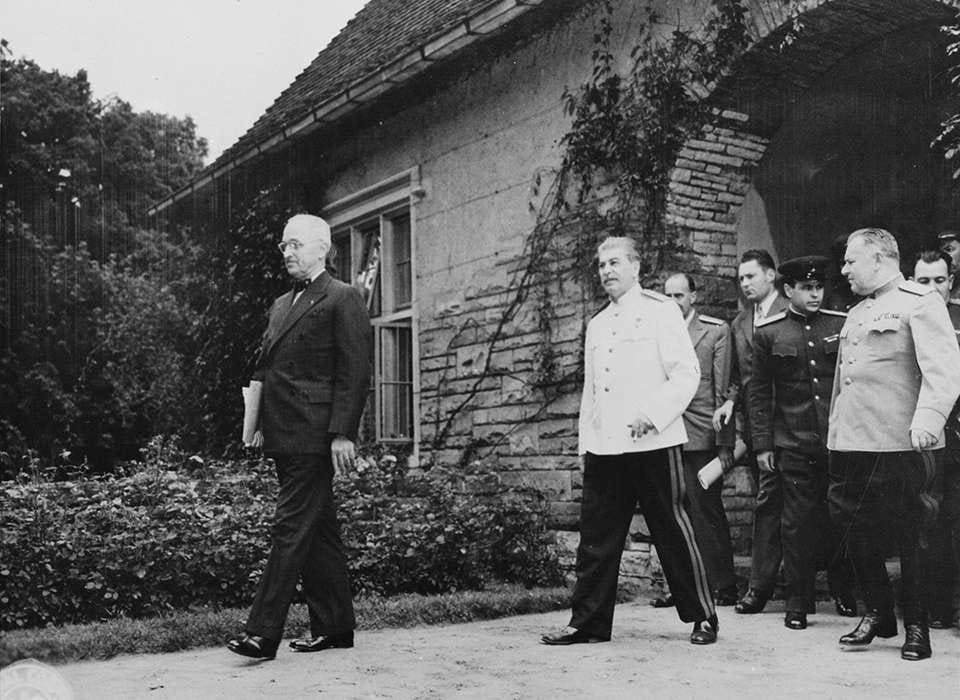
After World War II, Washington’s relationship with Moscow soured from an alliance of convenience—rooted in defeating the mutual enemy of Hitler’s Germany and the Axis Powers—into open hostility. The United States sought to contain the spread of Soviet Communism by spying, fighting proxy wars, and building a nuclear arsenal—all of which caused Bay Area technology flows to fragment along rival blocs.
Immediately following World War II, Bay Area technology labs and companies involved in national defense efforts were in their relative infancy, largely a loose network of professors, predocs, and graduate students.1 From 1945 to 1950, Bay Area research was “basic,” as characterized by entrepreneur and historian Steve Blank. Stanford’s Electronic Research Lab focused more on microwave tubes and circuits, and less on wider systems.2

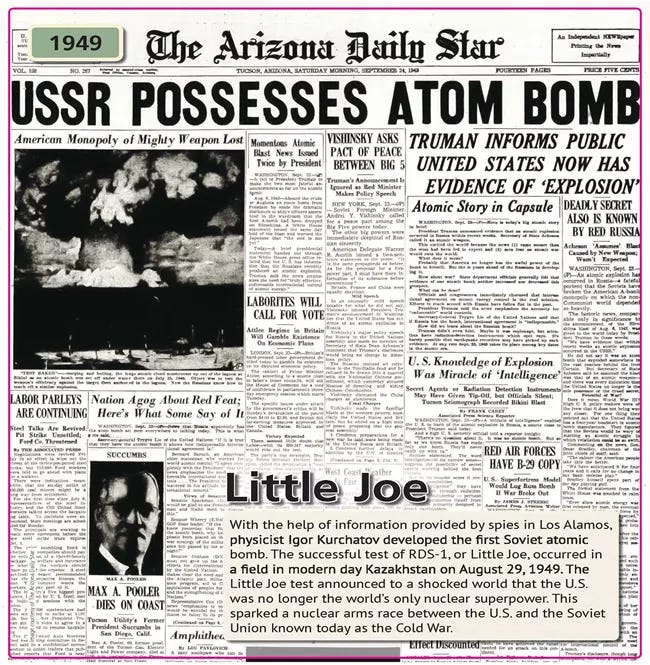
Paranoia about Soviet capabilities always existed, but it consumed the national security state by the late 1940s. On September 9, 1949, CIA Director Roscoe Hillenkoetter handed President Truman a carefully-worded report on “an abnormal radio-active contamination”, hypothesized as “an atomic explosion on the continent of Asia”. Two weeks later, Truman announced to the world that Moscow built the bomb.3
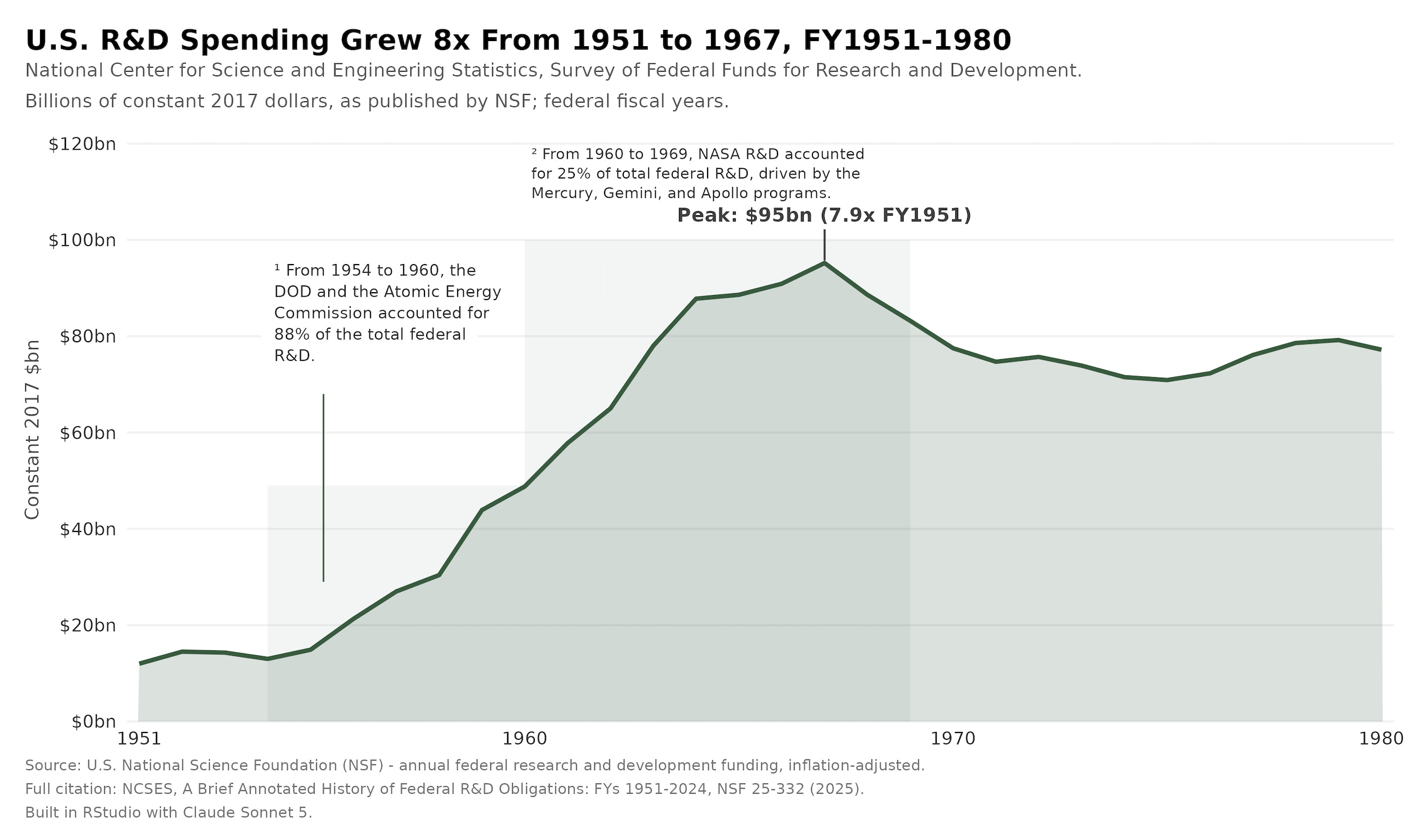
Fears of the Soviet threat exploded and channeled industrial focus to advance the defense and space sectors. For decades, federal R&D funding would guide waves of innovation. During the 1950s, the U.S. government funded nearly two-thirds of American science for the national interest.4
Cold War geopolitics fragmented research labs for dual-use technologies: those capable of both civilian and military application. At Stanford University in early 1950, just months before the outbreak of the Korean War, the Office of Naval Research asked Stanford’s dean of engineering Fred Terman to build a separate “Applied” Electronics Lab, the funding for which roughly doubled the size of the electronics program.56
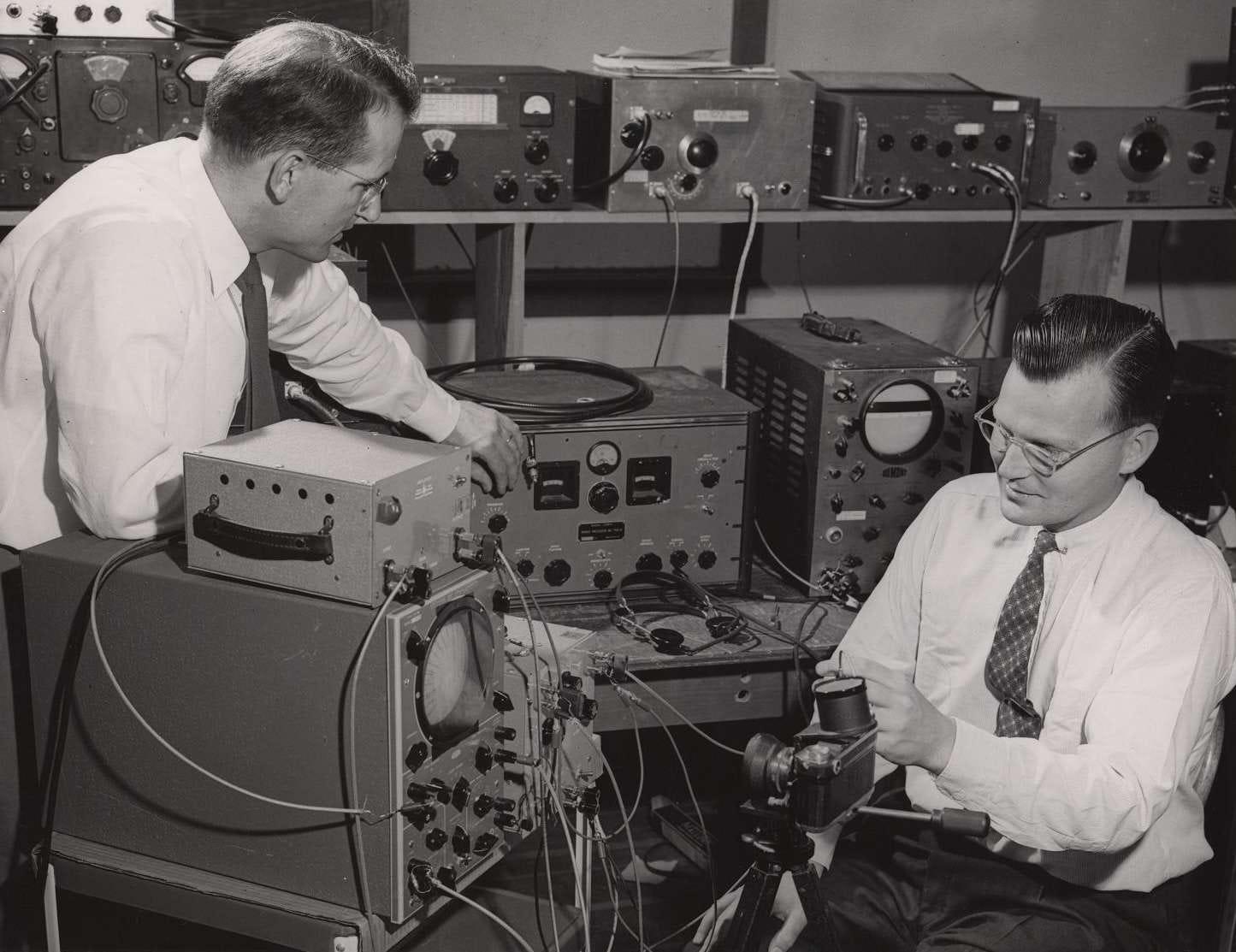
By 1955, over half of the staff working in the Applied Lab held security clearances.7 One half worked on less-sensitive microwave and electronics; the other experimented with military intelligence and electronic warfare systems, then built prototypes for military labs to evaluate. Working designs went to companies to build in volume.8
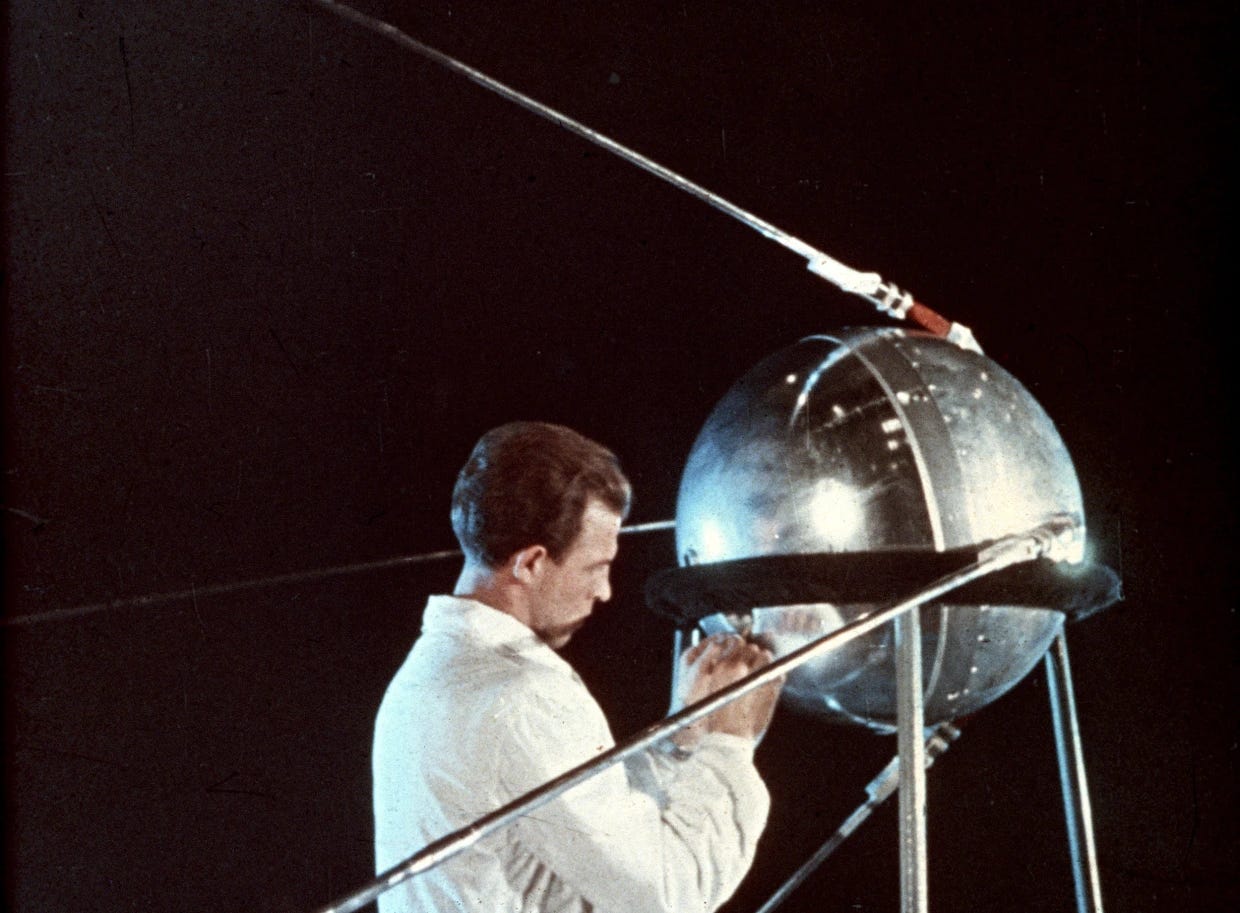
The government guided funds into advancing the space and defense industries. Military motivations pushed advances in rocketry in the First Space Race.9 The Soviet launch of Sputnik in October 1957 led Eisenhower to establish the National Aeronautics and Space Administration (NASA) and the Advanced Research Projects Agency (ARPA, later DARPA) the following year. 1011
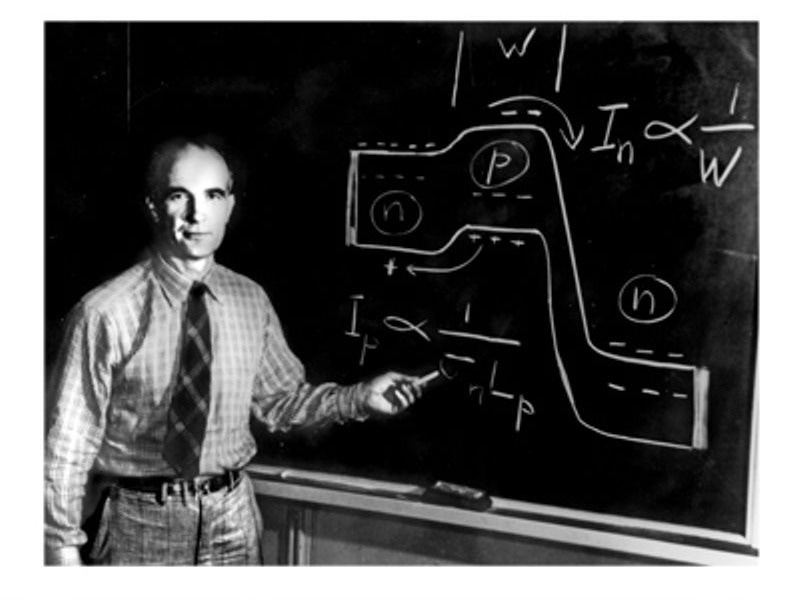
These research networks spun out the first chip laboratories and companies of “Silicon Valley.” From Stanford’s Industrial Park, William Shockley, a key innovator of the transistor, founded Shockley Semiconductor Laboratory that helped pioneer the chip industry.1213 The semiconductor industry was born.
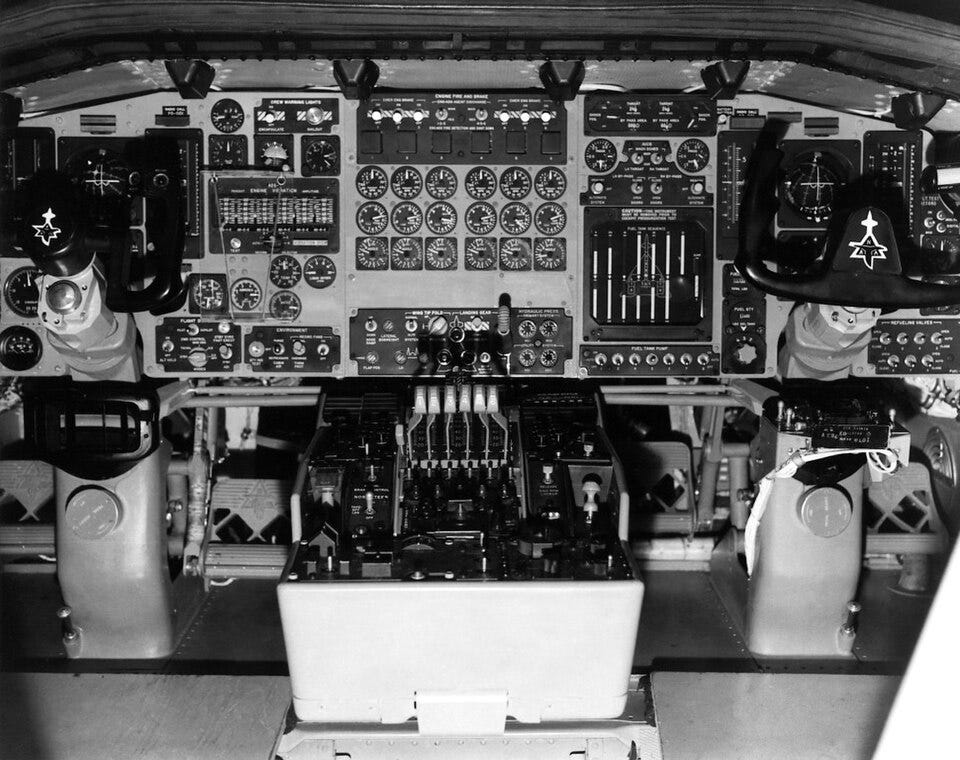
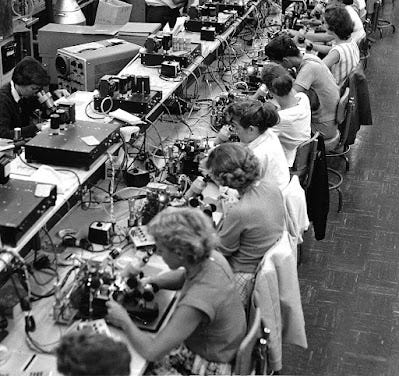
These researchers commercialized frontier technology to sell to the strong defense industry. In 1957, eight of Shockley’s best engineers broke off to form Fairchild Semiconductor.14 The group would create the first batch of transistors used to build the computer on board the B-70 bomber.15

The Cold War Fragment Flows
The Cold War also drew physical boundaries around where these innovations could be exported. President Truman’s policy of “containment” extended to policing all trade, especially dual-use goods. By around 1952, all exports to communist nations had nearly disappeared.16
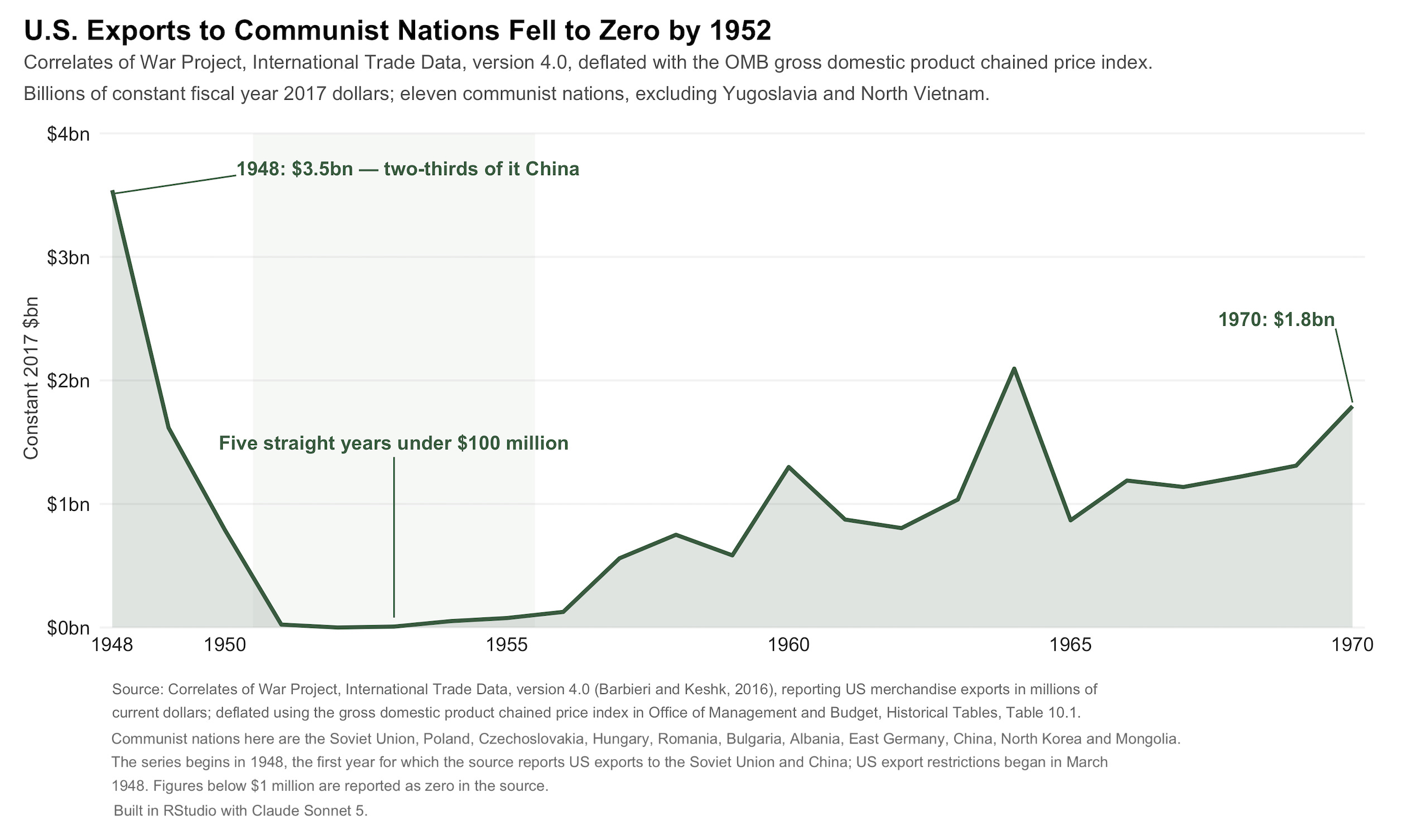
Policymakers in Washington sought to curtail technology exports out of the Bay Area. In 1949, the same year the Soviets tested their nuclear bomb, Washington took steps towards forming an early export control regime: Congress passed the Export Control Act and the Truman administration began the Coordinating Committee for Multilateral Export Controls, shorthanded as “CoCom.”17
What was CoCom in practice? By the 1960s, the “coordinating committee” emerged as an informal gentlemen’s agreement of embargo policies, where fifteen member states mutually agreed to restrict exports. The roster included Japan and all NATO members, except Iceland— USA, Canada, Denmark, Norway, England, France, Belgium, Luxembourg, Holland, Italy, Greece, Turkey, Portugal, and Western Germany.18
Enforcement proved slippery; as a 1987 Heritage Foundation report concluded, “to be sure, Washington would not have to control the re-export of U.S. items from its allies if the allies actually were effectively controlling the re-exports. The problem is that they are not.”19

This early export control regime directed waves of innovation—semiconductors, the first computers and software, early telecommunication networks, metal working machinery, and power-generating equipment—into distinct markets.20
Civilian Dollars Replace Federal Dollars
Trade helped decimated economies recover. As standards of living rose, more civilians could afford more expensive goods and cutting-edge consumer technology from the Bay Area. Over the 1970s, civilian demand began to outstrip government demand.
“By 1980, there was a big shift in where tech innovation was initiated. In the first few decades, US military demand drove innovation, and commercial applications were spun off. After that, commercial demand was the key and the military came to depend on the broad infrastructure of civilian technologies and innovations.”21 – Interview with Michael Mastanduno, Professor at Dartmouth College
One Bay Area firm beneficiary was Hewlett-Packard (HP). Founded in 1939 in a garage in Palo Alto, the hardware company grew to symbolize the region’s hardware roots.

The firm contributed to the World War II effort, employing 200 people and producing radio, radar, and microwave test instruments.22 Successive innovations in semiconductors made the firm a leader in high-technology contracting during the 1960s.
In 1972, HP introduced the world’s first handheld scientific electronic calculator.23 Sales began soaring. HP’s revenue doubled between 1976 and 1979, reaching $2 billion in annual sales.24
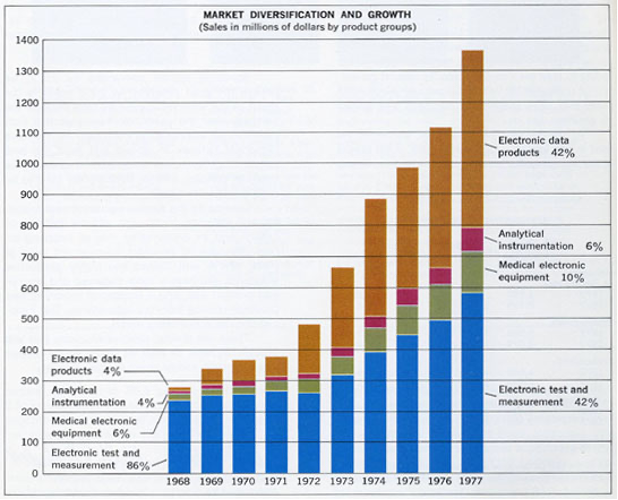
As the Cold War tempered in the late 1960s and early 1970s, HP serves as an example of how Bay Area technology firms successfully capitalized on shifting global demand. Civilian spending outgrew federal. That shift shaped the next wave of Bay Area innovation amidst a new rival, a rising Japan.
Up next, the rise of Japan.
Have a good weekend,
Max
"Becoming Silicon Valley, 1945–1960," Stories from the Collection, Computer History Museum, https://www.computerhistory.org/collections/stories/stories-from-the-collection/becoming-silicon-valley-1945-1960.
Steve Blank, "Stanford Crosses the Rubicon," August 17, 2009, https://steveblank.com/2009/08/17/stanford-crosses-the-rubicon/.
William Burr, ed., "Detection of the First Soviet Nuclear Test, September 1949," National Security Archive Electronic Briefing Book No. 684, September 9, 2019, https://nsarchive.gwu.edu/briefing-book/nuclear-vault/2019-09-09/detection-first-soviet-nuclear-test-september-1949.
Cogs of War Staff, "Who Pays for America’s Research and Development?," War on the Rocks, August 11, 2026, https://warontherocks.com/cogs-of-war/who-pays-for-americas-research-and-development/.
Thomas Heinrich, "Cold War Armory: Military Contracting in Silicon Valley," Enterprise & Society 3, no. 2 (June 2002): 247–84.
Blank, "Stanford Crosses the Rubicon."
Blank, "Stanford Crosses the Rubicon."
Mehran Gul, The New Geography of Innovation: The Global Contest for Breakthrough Technologies (Simon & Schuster, 2026), 86.
It’s likely that man’s motivations, at its core, aren’t to explore space for military prowess, but geopolitical competition has proved the impetus for advancements during the Cold War, and could once again today against China. For a brief discussion on how geopolitics spur space exploration, see "The Economics and Politics of Space Exploration" in Marko Jukic, "The Only Reason to Explore Space," Palladium Magazine, August 16, 2023, https://www.palladiummag.com/2023/08/16/the-only-reason-to-explore-space/.
Gul, New Geography of Innovation, 86–87.
Blank, "Stanford Crosses the Rubicon."
"Conception of the Junction Transistor," The Silicon Engine, Computer History Museum, https://www.computerhistory.org/siliconengine/conception-of-the-junction-transistor/.
Gul, New Geography of Innovation, 83–89.
Gul, New Geography of Innovation, ch. 2.
Christophe Lécuyer and David C. Brock, Makers of the Microchip: A Documentary History of Fairchild Semiconductor (MIT Press, 2010), 127.
Trade virtually disappeared between 1950 and 1952, depending on which communist nations are counted. See Gunnar Adler-Karlsson, Western Economic Warfare 1947–1967: A Case Study in Foreign Economic Policy (Almqvist & Wiksell, 1968), ch. 3. Otherwise, the chart claims 1952.
Jennifer Lind and Michael Mastanduno, "Hard Then, Harder Now: CoCom’s Lessons and the Challenge of Crafting Effective Export Controls Against China," Texas National Security Review 8, no. 4 (Fall 2025), https://tnsr.org/2025/09/hard-then-harder-now-cocoms-lessons-and-the-challenge-of-crafting-effective-export-controls-against-china/.
Adler-Karlsson, Western Economic Warfare, 5–6.
Thomas L. Lichenstein, "How Export Controls Defend the National Interest," Backgrounder No. 589, Heritage Foundation, June 30, 1987, https://www.heritage.org/trade/report/how-export-controls-defend-the-national-interest; scanned original at https://static.heritage.org/1987/pdf/bg589.pdf.
Lind and Mastanduno, "Hard Then, Harder Now."
Michael Mastanduno, interview with the author, June 27, 2026.
David Packard, The HP Way: How Bill Hewlett and I Built Our Company (HarperCollins, 1995), 44–46.
"Hewlett-Packard-35 Handheld Scientific Calculator, 1972," HP Virtual Museum, https://www.hp.com/hpinfo/abouthp/histnfacts/museum/personalsystems/0023/index.html.
"Company History & Facts, the Seventies," HP Memory Project, https://www.hpmemoryproject.org/wb_pages/wall_b_page_08.htm.