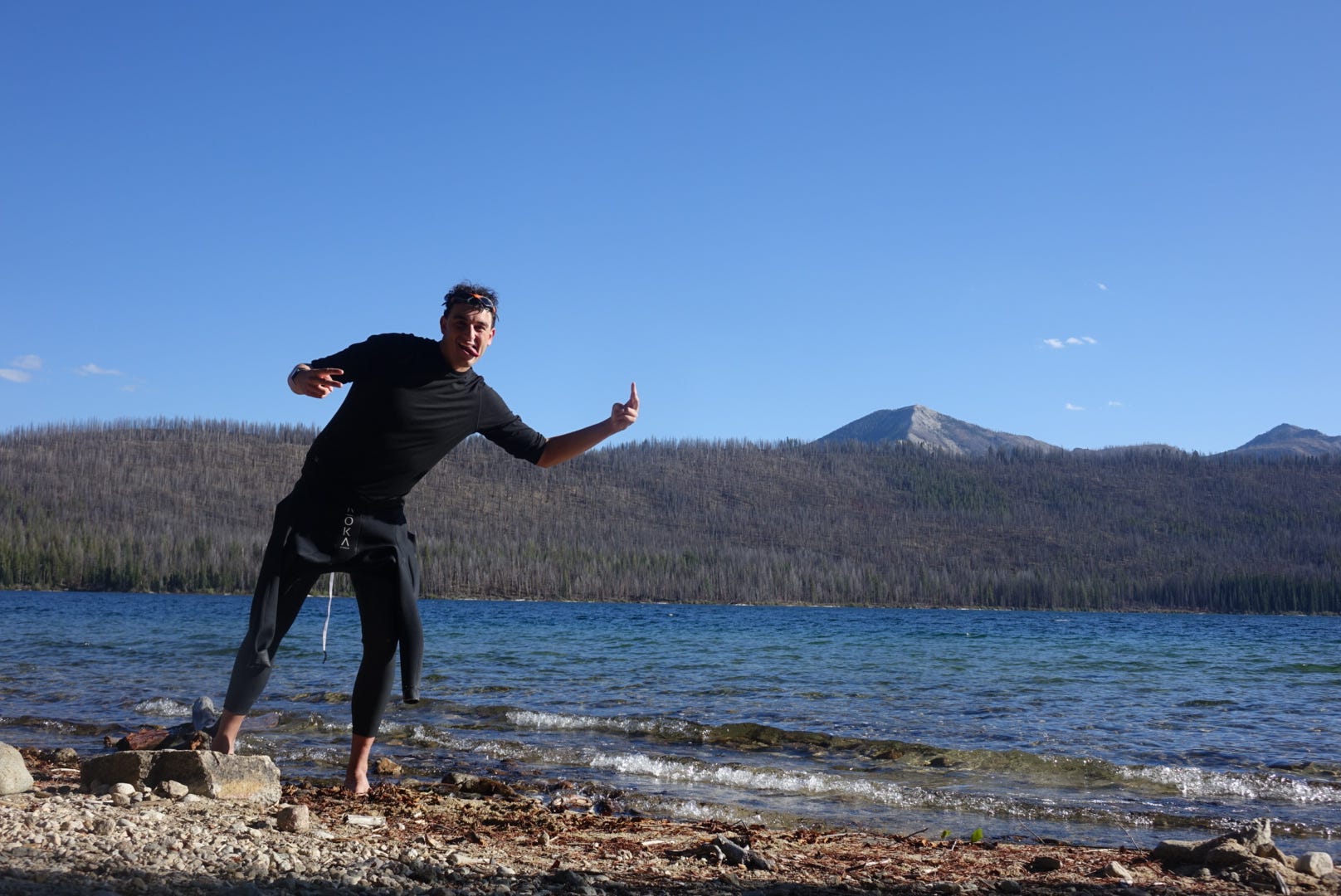

Swimming into The Slipstream transcends the senses. I love it. It takes me where words cannot be written, songs cannot be heard, and photos cannot be taken—but I try reflecting anyways here.
Entering The Slipstream seems simple—it only asks you to breathe.
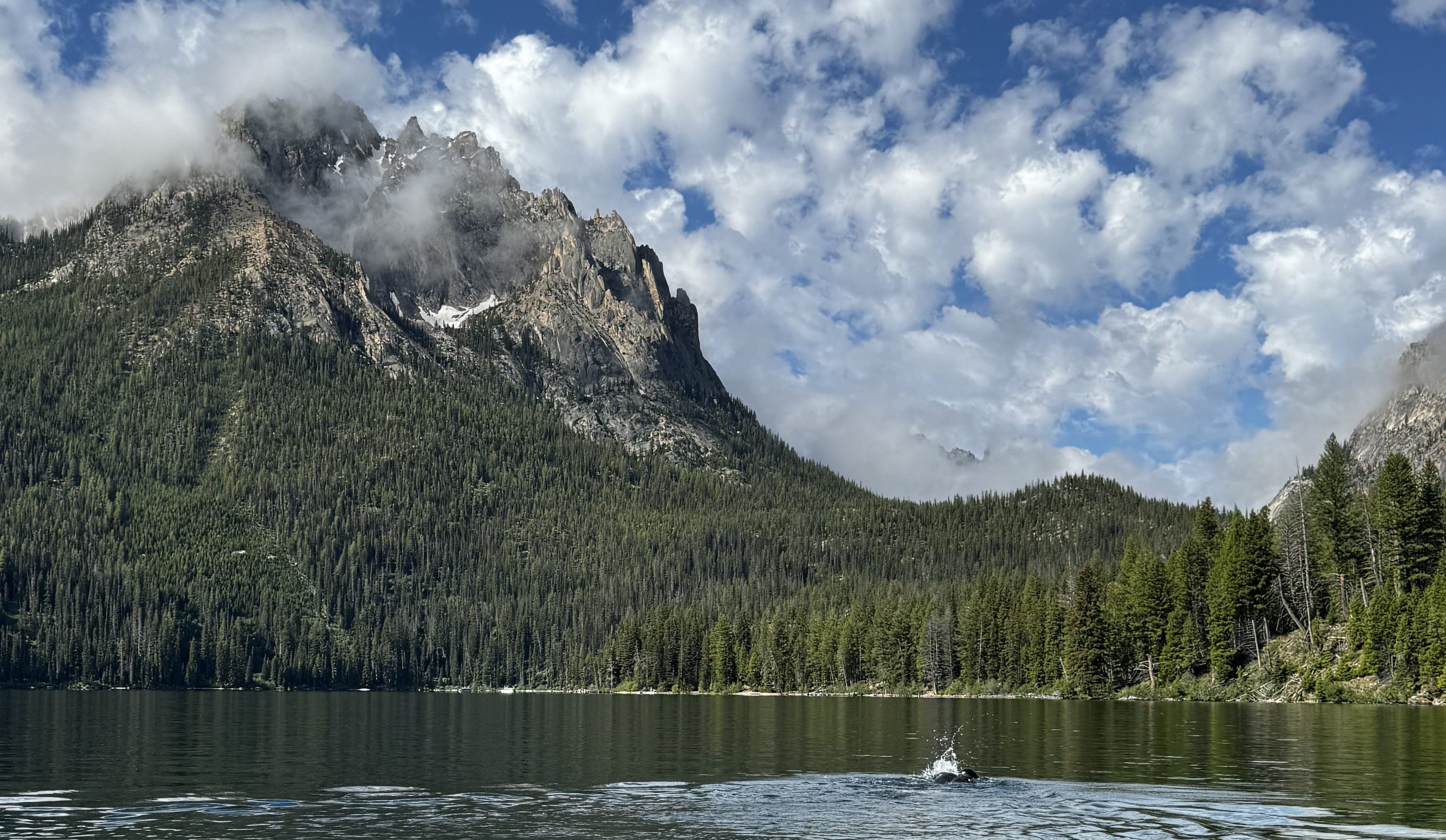
But breathing is never simple. Not in the beginning. Not when the start of every alpine swim sucks all air. At the start of each Odyssey through these mountain lakes—Redfish, Alturas, Titus—there is no privilege to think.
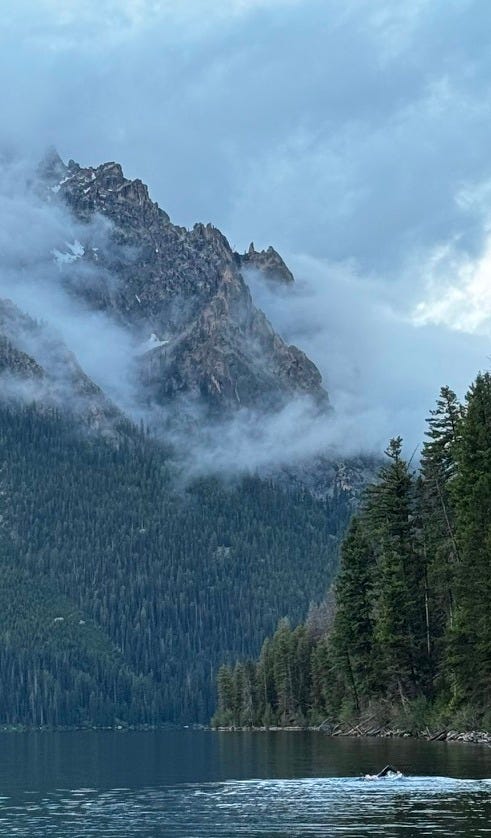
It’s a different type of wild world from the backcountry. Open water offers different order. Merging into The Slipstream requires practiced, autonomic acceleration. I’ve learned to let my body embrace those frigid first seconds through breathing. remembering to breath. Cold silences all.
Like merging onto a highway, just gun it and just throw the elbows. Redfish’s clean crystalline blues may resemble the diamond luminescence of long swims in Costa Rica and the Adriatic—but it sure as hell doesn’t feel like it.
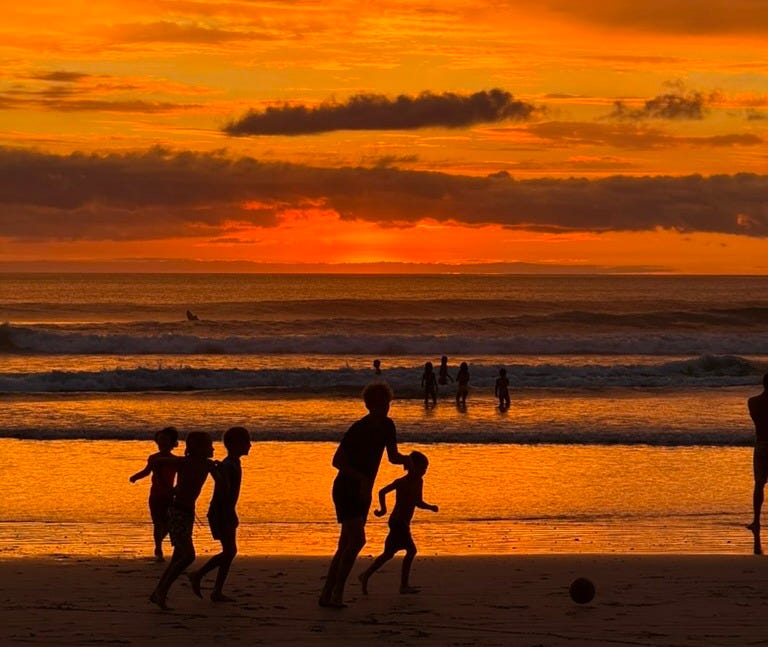
Temperature warps time: the first seconds are the longest, the minutes tick away faster, then the hours begin blinking by. I have been lucky to find The Slipstream around the world.
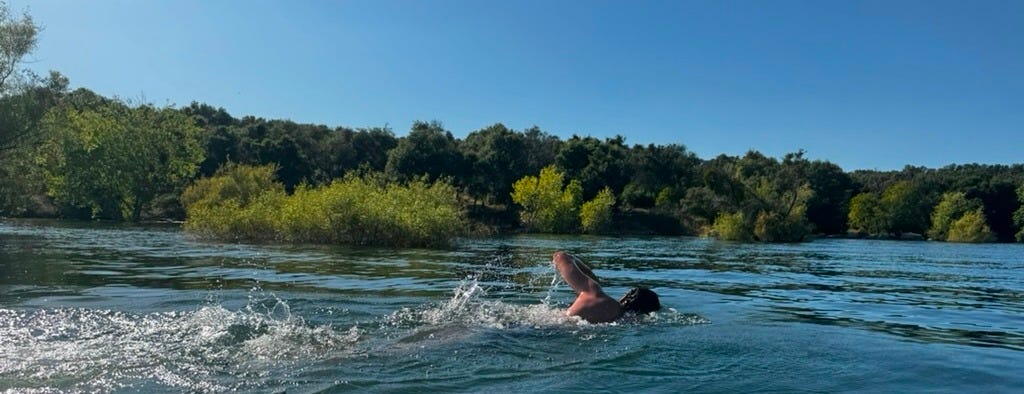
Once in The Slipstream, I reach for the beyond, pull through what I was before, and kick away the rest that no longer serves me.
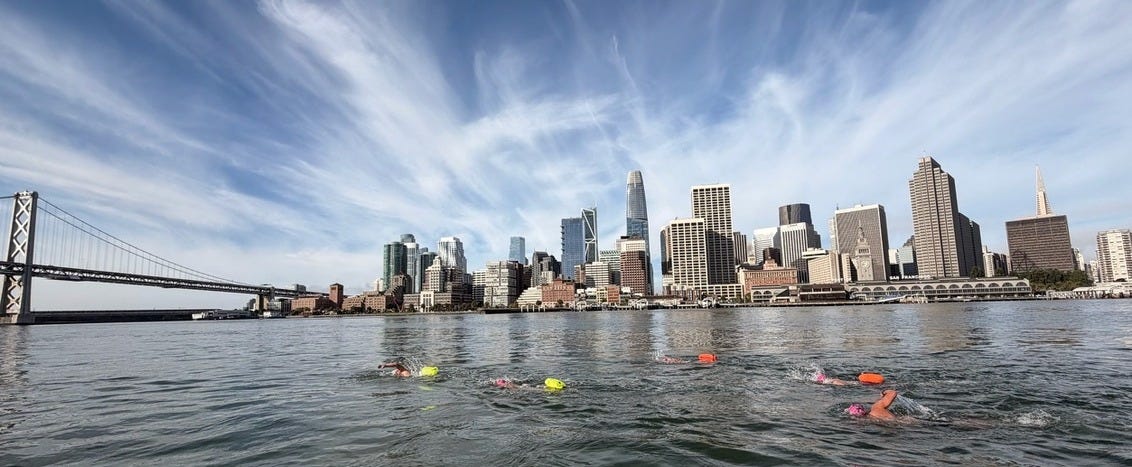
Soon awareness seeps in.
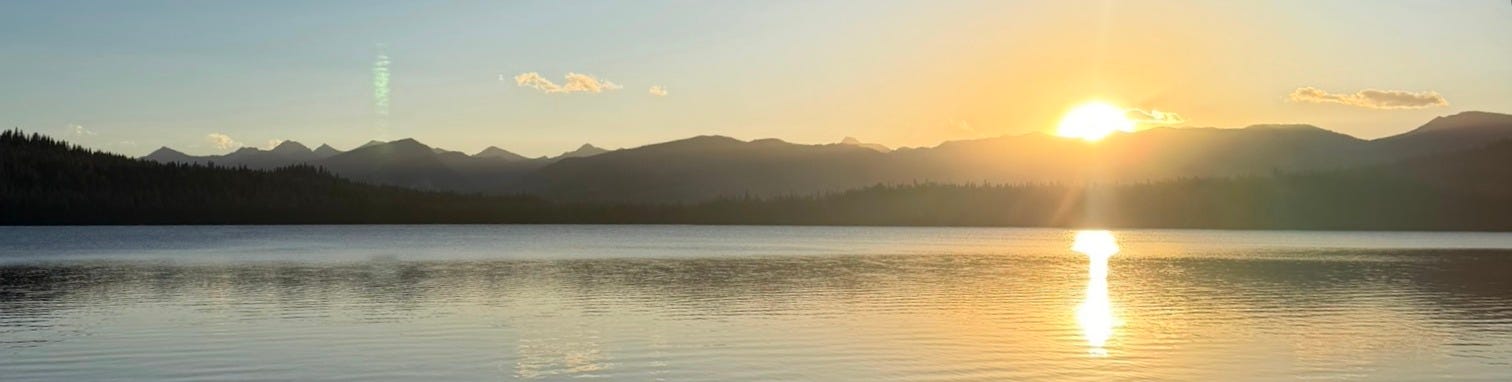
The sun rises higher with each breath. Each shoulder glides through the perfect lake mirror.
Vision is great—until you’re left seeing nothing below.
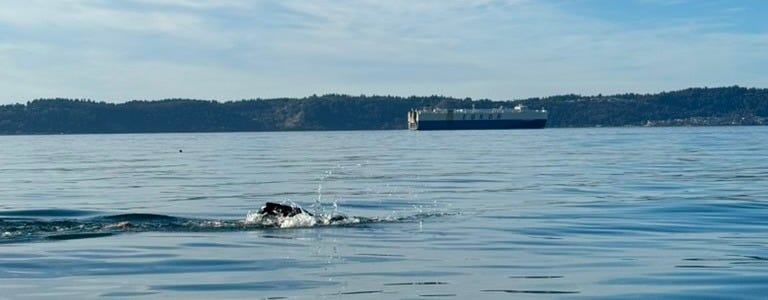
The physical shock has left. Now, The Slipstream pulls me into a constant negotiation of instinctual anxiety. Should I be out here? We are built for the land. So why embrace every unique trial of each Odyssey? I don’t have an answer.
Let the chaos calm
that frigid mountain water seizes up my hands into claws
I dive past the ocean break in Costa Rica, lit by a full moon
The distant Adriatic shore begs I return
The winds of the San Francisco Bay narrow every window for air
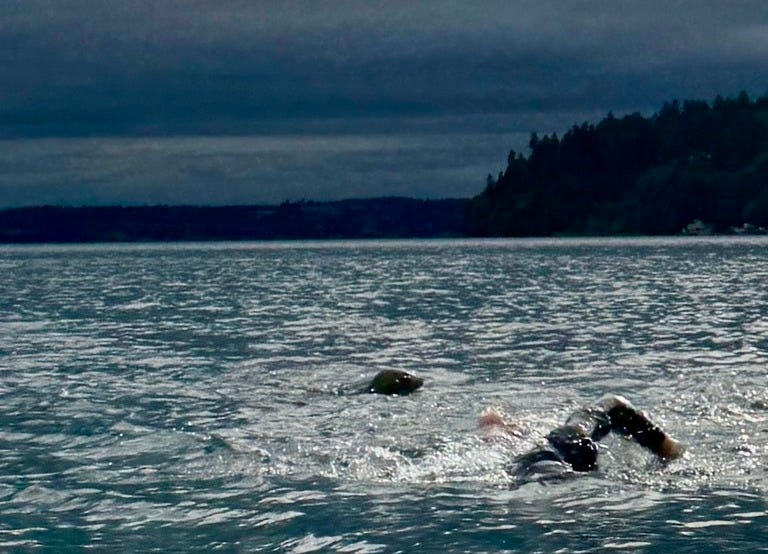
And to the huge harbor seal from the Puget Sound that joined me for hours, I’m sorry I kicked you in the head.
That shock calms me, but it claims lives. The Slipstream can kill. Especially in races. To bring order to the chaos, I’ve prepared in the pool, lifted, visualized, and planned. I’ve abandoned plenty. Safety is calculating a range of likely consequences I’m willing to suffer. Every breath, I feel safer.
And at the end, when I do step back onto my feet to walk the opposite shores of Redfish: the world—my world—is as calm as can be. The mind makes amends with the body. Still chilled. So chilled. Residual goosebumps are the sign of a job well done.
And now that I’ve left The Slipstream, I can still remember to just breathe.